
05:29local time
Asia · Capital New Delhi
Members from India share their journeys abroad.
LanguagesNot listed
CurrencyINR
Population1.5B
EnglishLocal language helps a lot
Overview
A vast, diverse country where life changes a lot from state to state and city to city.
India is the world's most populous country, with big differences in language, climate, food and culture between regions. Most foreigners settle in large cities such as Delhi, Mumbai, Bengaluru, Hyderabad, Chennai or Pune.
Plan your first weeks around registration, a local SIM card, housing and a bank account.
Last reviewed November 2026
Visas
Most foreigners need a visa matched to their purpose, and long stays require registration.
Long-stay visa holders often must register with the Foreigners Regional Registration Office (FRRO) soon after arrival. Rules differ by visa type and nationality, so check the official portals before you apply and again before you travel.
Last reviewed November 2026
Jobs
Technology, services and international firms hire foreigners; a work visa and employer sponsorship are needed.
The main hiring cities are Bengaluru, Hyderabad, Pune, Mumbai, Delhi NCR and Chennai. Technology, consulting, finance, education and multinational companies are the most common routes for foreigners.
Last reviewed November 2026
Housing
Renting is common and flexible; deposits, brokers and written agreements are standard.
Most newcomers rent a flat through a broker, a listing site or a company housing desk. Furnished, semi-furnished and unfurnished homes are all common.
Last reviewed November 2026
Healthcare
Private hospitals are widely used by foreigners; public care exists but is crowded in many areas.
Many expats take private health insurance and carry a card showing their cover. Pharmacies are common and many medicines are sold across the counter, but keep prescriptions for important medicines. Ask a doctor or travel clinic about vaccines and food and water safety before you arrive.
Last reviewed November 2026
Cost of living
Costs vary strongly by city; local food and transport are cheap, while imported goods and international schools cost more.
Rent is usually the largest cost, and it is highest in Mumbai, Delhi NCR and Bengaluru. Local food, public transport and household help are generally affordable compared with Europe or North America.
Last reviewed November 2026
Transportation
Metros, trains, buses and ride-hailing connect cities; traffic is heavy in big cities.
Last reviewed November 2026
Lifestyle
Family, food, festivals and religion shape daily life, with strong regional variety.
India has many religions, languages and cuisines. Festivals such as Diwali, Holi and Eid are celebrated widely and can close shops and offices.
Last reviewed November 2026
Education
Many universities and international schools; foreign students need a student visa.
India has a very large higher-education system with public and private universities. Big cities also have international schools that follow IB, Cambridge or other curricula.
Last reviewed November 2026
Banking
A bank account needs ID and address proof; UPI is the everyday way to pay.
Send and receive money through regulated channels and keep records for tax.
Last reviewed November 2026
Laws
Carry ID, follow registration rules and respect local laws on drugs, photography and conduct.
Last reviewed November 2026
Travel
Entry rules depend on nationality; check before booking.
Some nationalities can apply for an e-Visa and others need a regular visa. Check the rule for your passport before booking.
Last reviewed November 2026
0 reviews
Lived in India? Your rating helps the next person decide.
Start the first thread for this country.
Visas, jobs, housing or daily life: people on the ground usually answer within a day.
Ask a question
Visas, costs, housing, healthcare, banking and daily life in India, with tips for New Delhi, Mumbai and Bengaluru.
4 min read Updated Nov 2026

Compare Germany, Canada, the UK, Australia and more for 2027: realistic tuition and living costs, student visa rules, work rights while studying and what happens after graduation.
14 min read Updated Nov 2026
A week by week checklist for your first month in a new country: registration, ID numbers, banking, phone, healthcare, tax and building a life beyond paperwork.
3 min read Updated Nov 2026

The real costs of relocating: visas, flights, deposits, the first months before salary arrives and the hidden extras. A simple framework and worked numbers.
3 min read Updated Nov 2026

Several countries offer genuine relocation incentives, rural resettlement programs, and financial assistance to attract newcomers. Explore legitimate opportunities, understand the conditions applicants must meet, and learn why these programs rarely offer free money.
6 min read Updated Nov 2026
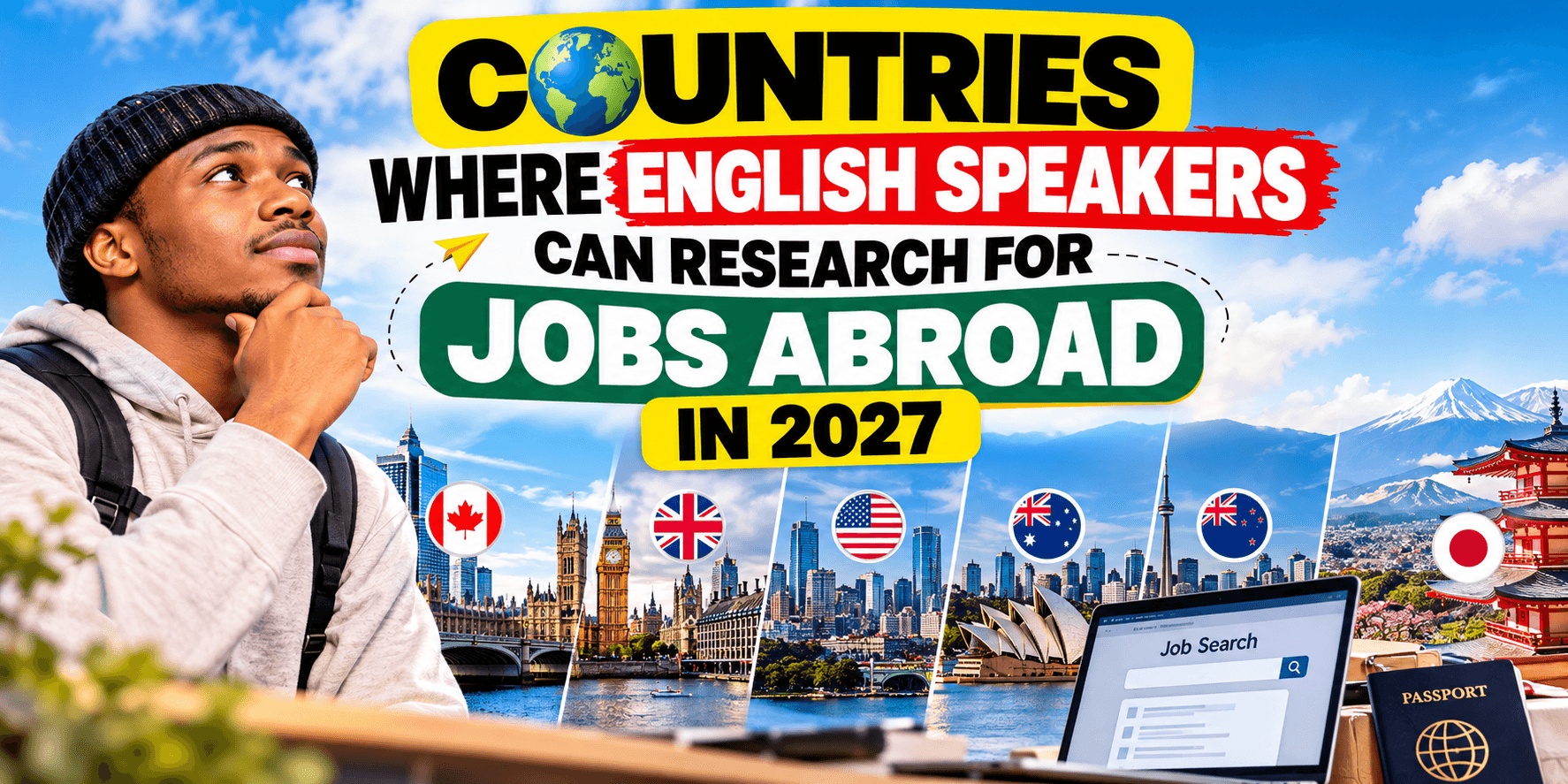
Discover the top destinations for English speakers seeking international career opportunities. From tech hubs to financial centers, explore countries with strong job markets, visa pathways, and competitive salaries.
7 min read Updated Nov 2026
